Olympic Peninsula · Washington State
SEQUIM
Historic · Creative · Coastal

At a Glance
- County: Clallam
- ZIP: 98382
- Population: ~8,200 (city); ~35,000 Dungeness Valley area
- Average Home Value: ~$580,000
- Median Age: 63
- Annual Rainfall: ~16 inches
- 11 consecutive years of home price appreciation
- Nicknamed: “Sunny Sequim” · “America’s Provence”
People who move to Sequim tend to say the same thing: they heard about the weather and came to see for themselves. Then they couldn’t leave.
The claim sounds modest — a town with good weather — until you understand what it actually means on the Olympic Peninsula. While Seattle averages 152 rainy days and 38 inches of annual precipitation, Sequim receives roughly 16 inches of rain per year. That’s less than Los Angeles. Less than Tucson. The Olympic Mountains to the south create a meteorological phenomenon called a rain shadow — moisture-laden Pacific systems rise, cool, and drop their rain on the windward side of the range, leaving the northeastern corner of the peninsula in a band of disproportionate sunshine. The result is a climate that feels Mediterranean in summer: warm, dry days, cool evenings, brilliant light, and panoramic views across the Strait of Juan de Fuca toward Canada’s Vancouver Island.
That climate is the reason Sequim has lavender farms. It’s the reason it has three golf courses and a growing wine culture. It’s the reason the Dungeness Valley became fertile farmland that still produces and the reason the town has grown continuously for eleven straight years while much of rural Washington has stagnated. Sequim is the Pacific Northwest’s most compelling retirement and relocation destination — and a real estate market that reflects that demand in consistent, durable appreciation.
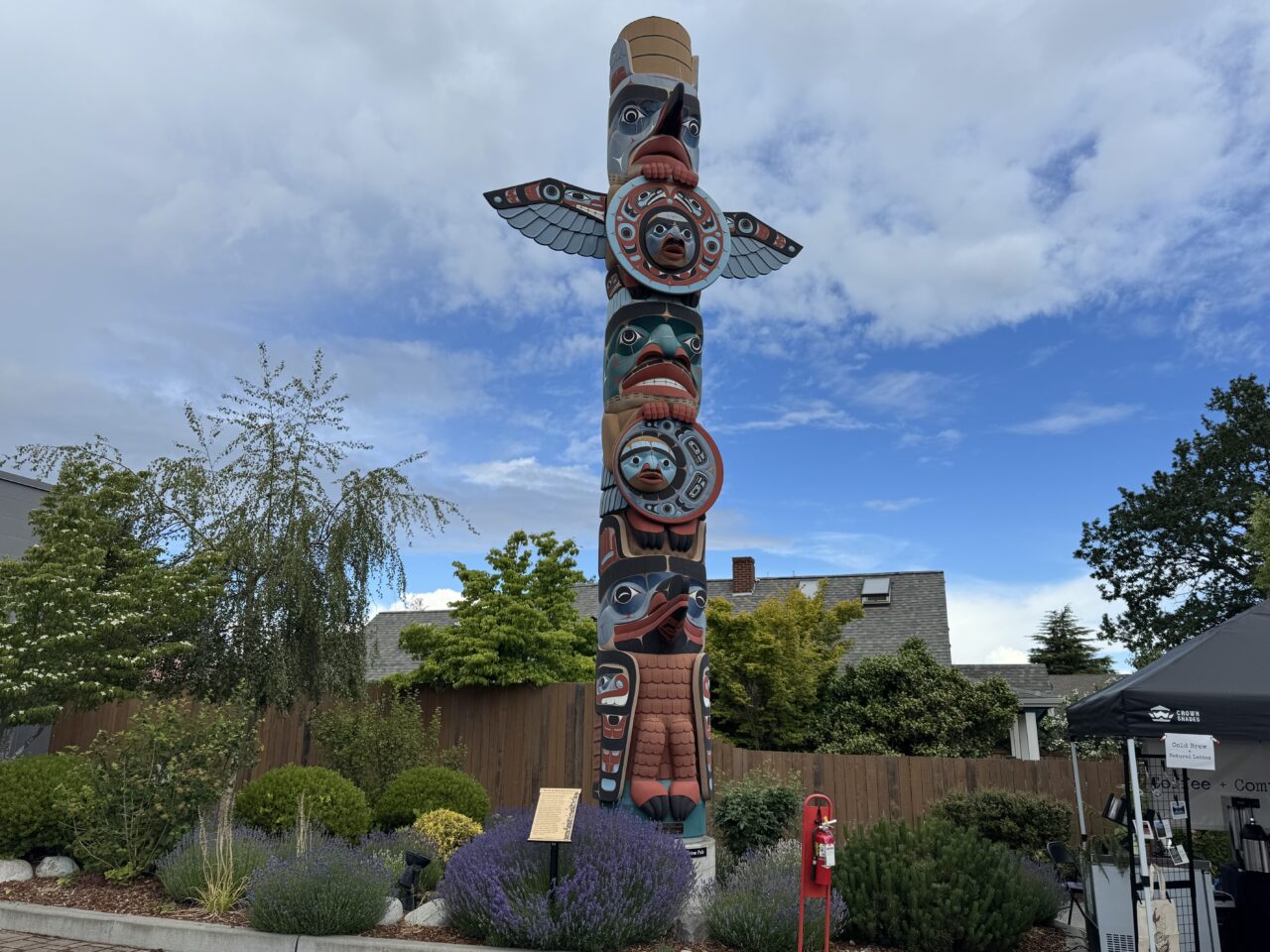
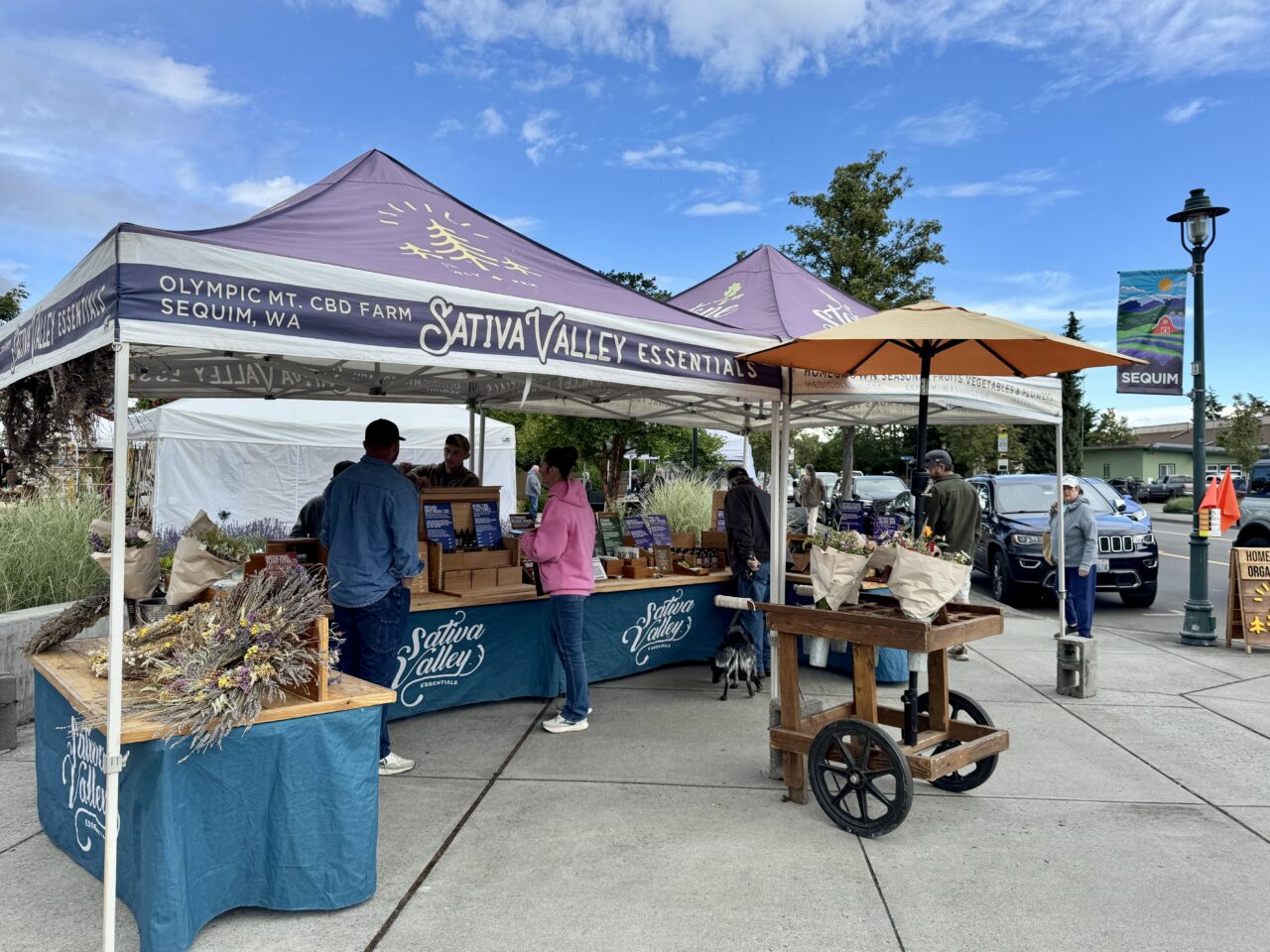
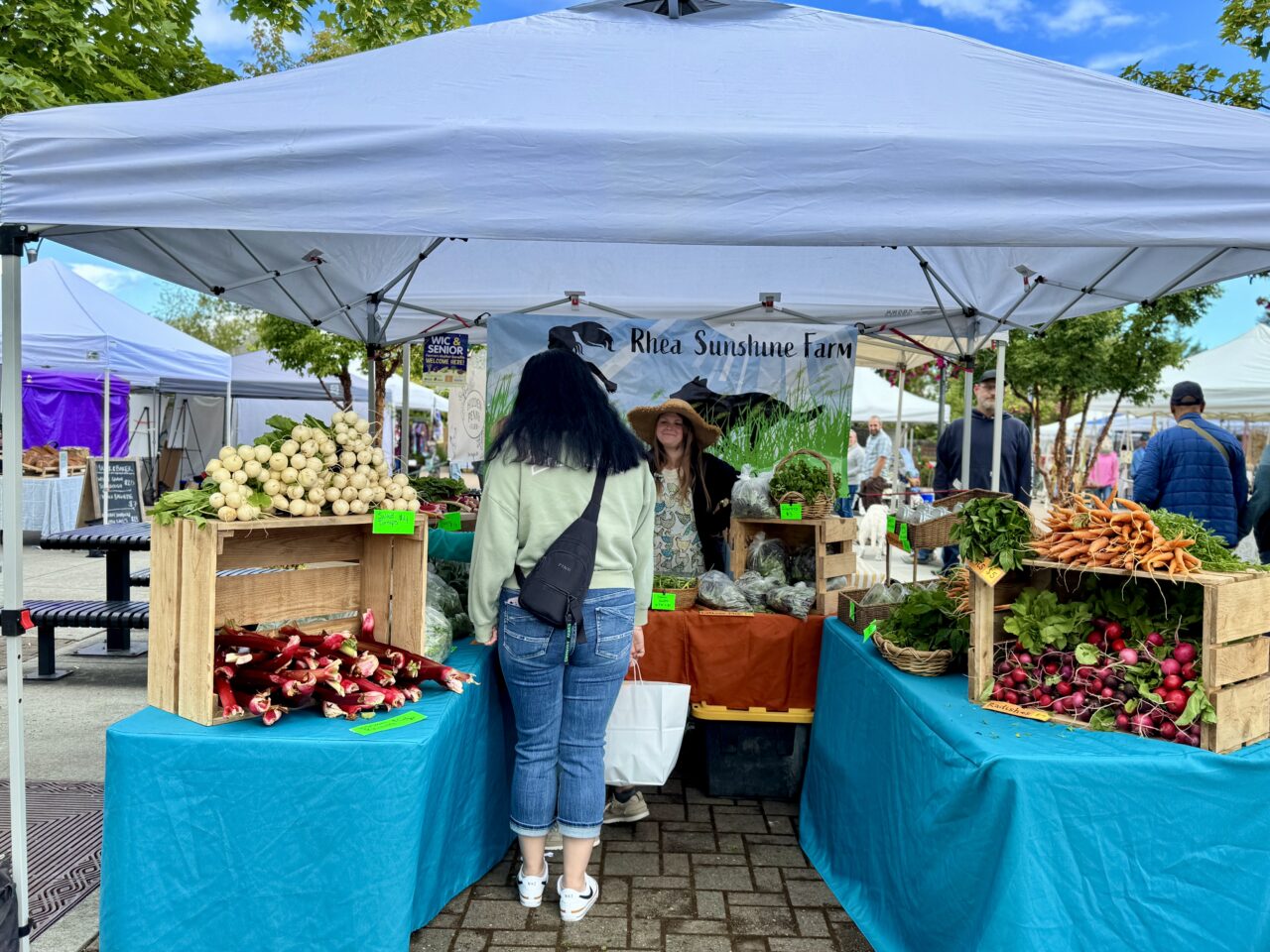
But Sequim is more than its weather. It sits at the geographic center of one of the most spectacular landscapes in America: the Dungeness Spit, the longest natural sand spit in the nation, reaches five and a half miles into the Strait of Juan de Fuca from Sequim’s front yard. Olympic National Park is thirty minutes to the west. The Olympic Discovery Trail cuts through the heart of town. And a community that has been consciously building itself as a destination for decades has produced a downtown with genuine character — independent restaurants, a Saturday farmers market, lavender distilleries, galleries, and a civic identity rooted in agricultural heritage and natural beauty.
The S’Klallam People and the Naming of Sequim
Long before European settlement, the northeastern corner of the Olympic Peninsula was the territory of the S’Klallam — meaning the “Strong People” in their own language. They inhabited the shores of the Strait of Juan de Fuca, the beaches around the Dungeness Spit, and the fertile river valley that bears the Dungeness name to this day. The name Sequim itself comes from an approximation of a S’Klallam word, most often interpreted as “hunting ground,” though some sources have rendered it as “quiet waters.” The pronunciation — locally it’s always Skwim — preserves something of the original.
European exploration came with Captain George Vancouver, who charted the peninsula in 1792 and gave the Dungeness Spit its name after the headland at the entrance to the English Channel. American settlement accelerated through the mid-19th century, with the nearby port of New Dungeness (today simply Dungeness) serving as a shipping center before commerce shifted northward.
The Irrigation Ditch That Built a Valley
The pivotal moment in Sequim’s agricultural history came in 1896, when early settlers collaborated to dig irrigation ditches tapping into the Dungeness River. This was a feat of community engineering that transformed the valley: the ability to irrigate, combined with the natural aridity of the rain shadow climate, turned the Dungeness Valley into fertile, productive farmland. The valley developed into a significant dairy region, and the surrounding community of Sequim grew along with it.
For most of the 20th century, Sequim was a quiet agricultural town — prosperous enough, unhurried, oriented around farming and the local economy of a rural peninsula community. The Clallam County seat was in Port Angeles, eighteen miles to the west. Sequim was the valley town.
The Lavender Renaissance
By the early 1990s, the decline of industrial dairy farming had left the Dungeness Valley’s agricultural future uncertain. Farmland was at risk of being absorbed by residential development. In 1995, a committee under the Sequim Chamber of Commerce began researching alternatives. They discovered what the climate had always suggested: the soil and microclimate of the Sequim-Dungeness Valley were near-ideal for lavender — the same conditions that make Provence, France the world’s benchmark for lavender production.
The first lavender farms appeared in 1996. By the early 2000s, the movement had grown to more than 30 farms and Sequim had officially earned the title of Lavender Capital of North America. The annual Lavender Festival — held on the third full weekend of July — now draws more than 40,000 visitors annually and has become one of the signature events of the Pacific Northwest summer. The farms themselves, stretching in fragrant purple rows against the backdrop of the Olympic Mountains and the blue shimmer of the Strait, have made Sequim internationally recognizable. The recovery of the valley’s agricultural identity through lavender is one of the more remarkable community reinvention stories in the American West.
The Sequim Irrigation Festival, held each May, is Washington State’s oldest continuously running festival — a celebration of the 1896 ditch-digging that made the valley possible, running for well over a century.
The Rain Shadow: What Buyers Need to Understand
The rain shadow is not marketing language. It is a measurable, consistent meteorological reality that has defined Sequim’s growth trajectory for three decades, and it is the single most important piece of context any buyer needs to evaluate this market.
The Olympic Mountains rise to nearly 8,000 feet immediately to the south and west of Sequim. Prevailing weather systems moving onshore from the Pacific encounter the range and are forced upward, cooling and releasing precipitation on the windward (western and southern) slopes. By the time those systems reach the northeastern corner of the peninsula, they have largely exhausted their moisture. The result: while Forks, on the western side of the Olympics, receives nearly 120 inches of rain per year and contains the Hoh Rain Forest — the wettest temperate rainforest in the contiguous United States — Sequim sits in a pocket of reliable sun.
At 16 inches of annual rainfall, Sequim is:
- Drier than Los Angeles (15.14 in, but comparable)
- Considerably drier than Seattle (38 in)
- Roughly 40% drier than neighboring Port Townsend
- One of the driest inhabited locations in western Washington
Summer temperatures average in the low-to-mid 70s°F. Winters are mild — average lows in the mid-30s, with snowfall rare and never lasting. The community sees approximately 132 days of sunshine annually.
For buyers considering the Pacific Northwest but concerned about weather quality and year-round outdoor livability, Sequim represents a genuinely anomalous opportunity — Pacific Northwest beauty without Pacific Northwest grey.
Natural Setting & Outdoor Life
The Dungeness Spit and Wildlife Refuge
The Dungeness National Wildlife Refuge is Sequim’s most extraordinary natural feature and one of the most dramatic landscapes in the Pacific Northwest. The Dungeness Spit extends 5.5 miles into the Strait of Juan de Fuca — the longest natural sand spit in the United States — enclosing the protected calm waters of Dungeness Bay on one side and fronting the wide, wind-driven Strait on the other. The New Dungeness Lighthouse, originally built in 1857, stands at its tip, accessible by a 10-mile round-trip beach hike.
The refuge has recorded more than 250 species of birds, 41 species of land mammals, and eight species of marine mammals within its boundaries, including several threatened and endangered species. The tidal flats inside the spit are among the most productive feeding grounds in the Strait ecosystem. Dungeness crab, harvested in the bay since the S’Klallam era, gave this stretch of coastline its culinary fame long before the lavender farms arrived.
The Olympic Discovery Trail
Sequim sits at the geographic center of the Olympic Discovery Trail — a 122-mile non-motorized corridor running from Port Townsend in the east to La Push on the Pacific Coast in the west. Currently, 64 miles are constructed as separated paved or gravel trail, with the Sequim-to-Port Angeles section among the most complete and heavily used. The trail passes through Carrie Blake Park, crosses the Dungeness River on a beautifully restored 700-foot railroad trestle at Railroad Bridge Park, and traces the edge of Sequim Bay with views across the water. It is ADA-accessible throughout, which matters significantly in a community with a strong retiree population.
Wildlife, Water & Mountains
Whale watching from Sequim Bay and the Strait of Juan de Fuca runs May through September, with orca, humpback, gray whale, and minke all recorded in the channel. Bald eagles are a year-round presence. Olympic National Park — nearly a million acres of glacier, old-growth forest, alpine meadow, and wild Pacific coastline — is accessible in under an hour, with Hurricane Ridge (for winter skiing and summer wildflower hikes) a straight shot south. Three golf courses serve the local community, including Sunland’s course within the residential community. The John Wayne Marina on Sequim Bay offers protected moorage, launch facilities, and access to some of the finest crabbing and fishing on the Strait.
Lavender Farms
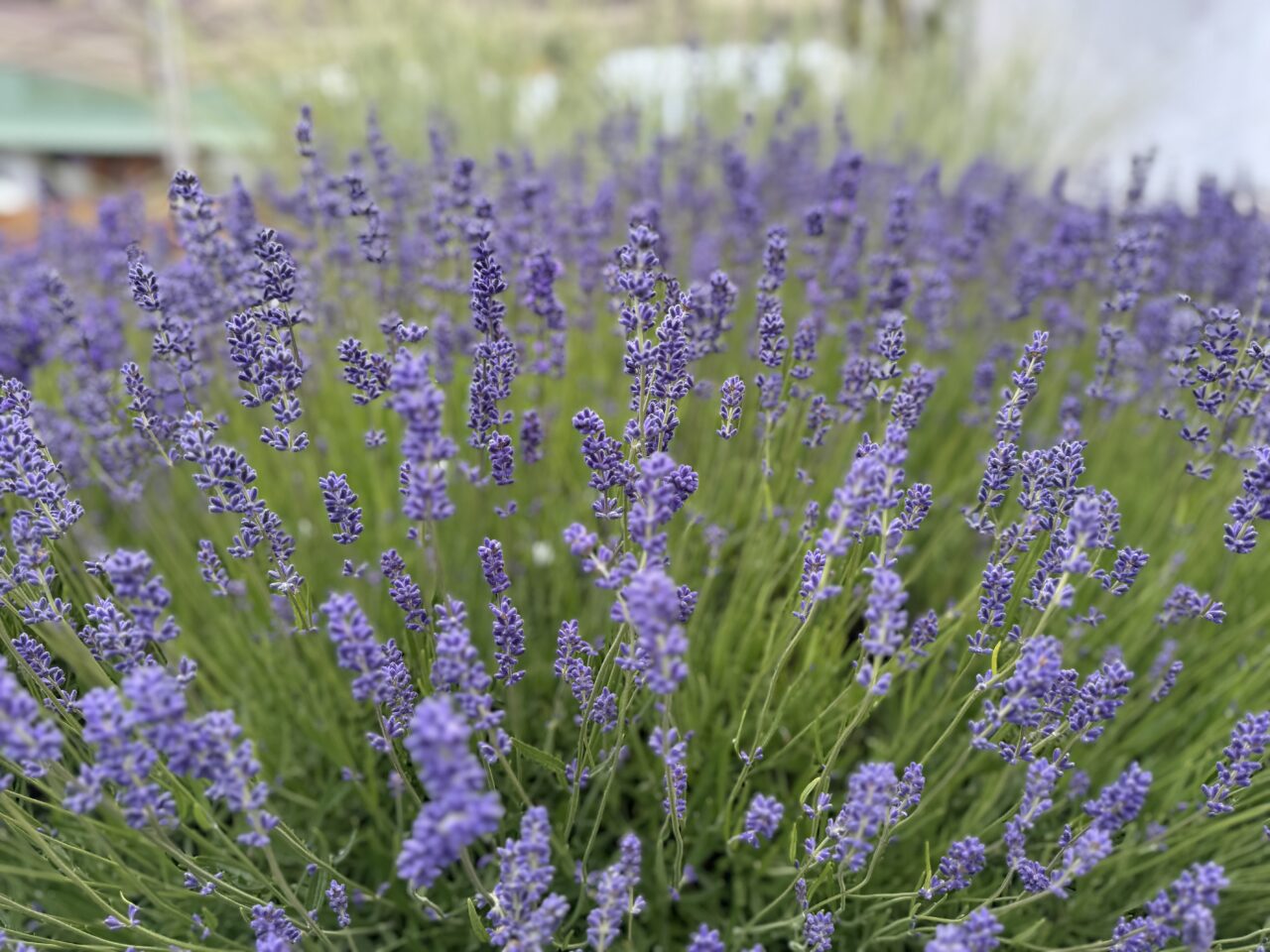
Visiting the lavender farms in July is an experience that stops people in their tracks — wide rows of purple running toward snow-capped Olympic peaks, with the fragrance of distillation hanging in the dry summer air. The farms range from organic certified operations with Victorian gardens and gift shops to small family farms with u-pick fields. The Sequim Lavender Experience collective represents more than 30 individual farms throughout the Dungeness Valley, each with its own character and specialty. Open May through September, with the harvest season peaking in mid-July.
Neighborhoods & Property Types
Sequim’s residential landscape is broader and more varied than its reputation as a “retirement town” might suggest. The market encompasses everything from downtown bungalows walkable to restaurants and the Saturday farmers market to sprawling valley farmsteads with mountain views and acreage — and everything in between.
Downtown Sequim & In-Town Neighborhoods
The compact downtown core along Washington Street and Sequim Avenue offers walkable access to shops, restaurants, the farmers market, medical services, and the Olympic Discovery Trail trailhead at Carrie Blake Park. Properties here range from early 20th-century bungalows to midcentury ranch homes and infill construction on smaller lots. Lower price points than the view corridors; genuine walkability is the premium.
Bell Hill
The elevated benchland east and north of downtown, with sweeping views over the Strait of Juan de Fuca, the San Juan Islands, and the shipping lanes toward Canada. Bell Hill is Sequim’s premier view address — custom homes, larger lots, mature landscaping, and a mix of midcentury and contemporary construction. The neighborhood earns the designation “iconic” locally, and properties with unobstructed Strait views command accordingly. Entry-level Bell Hill properties start around $650,000; significant custom homes with full water views trade above $1.2 million.
Sunland
One of Sequim’s most established planned communities, built around an 18-hole golf course and anchored by the Sunland Golf & Country Club. Amenities include tennis and pickleball courts, swimming pool and spa, bocce ball courts, a community beach with waterfront cabana, greenspaces, and walking and biking paths. A strong HOA maintains community standards. Properties range from golf-course-adjacent patio homes to larger custom homes on view lots. Popular with buyers who want resort-style amenities in a non-waterfront setting. Prices typically range from $500,000 to $1.1 million.
Diamond Point
A coastal residential community on the waterfront east of Sequim, with views of Protection Island and the Strait. Characterized by larger lots, privacy, and a quieter pace than the planned communities. Diamond Point has a private airstrip and waterfront access — making it of particular interest to pilots and boaters. Properties range widely based on size and water position.
Dungeness Valley & Rural Farmland
The agricultural heart of the lavender country — properties ranging from lavender farms and equestrian estates to hobby farmsteads and acreage with fruit orchards, guest quarters, and mountain views. The Dungeness River runs through this area, with the railroad trestle park and Audubon Center nearby. For buyers seeking space, privacy, and the farmstead lifestyle, this is where to look. Entry-level rural parcels begin around $400,000; working farm properties and large estates trade at $1 million and above.
55+ & Active Adult Communities
Sequim’s demographic profile has generated a strong inventory of purpose-built active adult and 55+ communities. Sunland, Parkwood, Dominion Terrace, and Bayview Village all offer varying levels of amenity and support — from fully independent single-family living to maintenance-free condominiums with recreation centers, pools, libraries, and social programming. Buyers seeking accessibility-forward design, single-level living, and an age-qualified community will find more options here than in most comparably sized Peninsula towns.
Sequim Bay Area
Properties along Sequim Bay offer protected waterfront access, marina adjacency, and dramatic views toward the southern shore of the Strait. The John Wayne Marina is the anchor amenity — named for the actor who was a passionate boater and made Sequim his later-life anchor. Waterfront and near-waterfront properties here are among the most competitively priced true waterfront options on the northern Peninsula.
Property Price Ranges
| Property Type | Price Range |
|---|---|
| Downtown bungalows & in-town homes | $400,000 – $650,000 |
| 55+ community condos & patio homes | $350,000 – $600,000 |
| Sunland golf course community | $500,000 – $1.1 million |
| Bell Hill water view homes | $650,000 – $1.5 million+ |
| Rural Dungeness Valley acreage | $450,000 – $1.5 million |
| Diamond Point waterfront/coastal | $600,000 – $1.6 million |
| Custom estates, full Strait views | $1.0 million – $2.5 million+ |
Average home value ~$580,000 per Zillow (2025); the market has appreciated for 11 consecutive years. Over the last decade, Sequim real estate appreciated over 134%. All values should be independently verified. Contact Jane for a current comparative market analysis.
Lifestyle
Who Lives Here
Sequim’s median age of 63 reflects what the community has been for thirty years: the Pacific Northwest’s most carefully chosen retirement destination. Nearly half the population (45.6%) is 65 or older. The typical buyer is not someone who ended up in Sequim — they researched it, visited, and decided. This intentionality shapes the community profoundly: residents are engaged, active, and invested. Clubs, civic organizations, cultural events, and volunteer networks are strong. The community has a social infrastructure that keeps people genuinely connected.
That said, Sequim is changing. The growth of remote work, rising Puget Sound prices, and Sequim’s relative affordability compared to Bainbridge Island or Seattle’s Eastside are drawing a younger cohort — professionals in their 40s and 50s who want a quality of life the urban core can no longer deliver at any reasonable cost. This demographic shift is gradual but real, and buyers in that cohort will find a community quietly preparing to accommodate them.
The S’Klallam Presence
The Lower Elwha Klallam Tribe and the Jamestown S’Klallam Tribe both maintain active presence in the Sequim area. The Jamestown S’Klallam Tribe operates a casino, hotel, and golf course just minutes from downtown — a significant economic and cultural presence in the community. Their stewardship of the Dungeness Valley’s natural resources is longstanding and ongoing.
Getting Around
Highway 101 connects Sequim east to Port Angeles (18 miles) and west to the Hood Canal Bridge via Port Townsend Road. Seattle is approximately two hours by car — a drive that includes a Washington State Ferry crossing (Bainbridge Island or Kingston). The Bainbridge crossing is scenic; the Kingston crossing is faster for many routes. Sequim’s position at the center of the Olympic Peninsula makes it an ideal base for exploring the full range of Peninsula destinations — Port Townsend is 32 miles east, Hurricane Ridge is 30 minutes south, and the wild Pacific coast is two hours west.
Healthcare — A Defining Advantage
Healthcare access is among the most important practical considerations for retirement-oriented buyers, and Sequim’s position is stronger than most comparable-sized communities in Washington.
Olympic Medical Center operates a full-service campus in Sequim in addition to its main hospital in Port Angeles 18 miles west — providing primary care, specialty services, imaging, and outpatient facilities locally. OMC’s Port Angeles campus is a full acute care hospital serving the entire northern Peninsula. Sequim also has multiple private medical practices, specialty clinics, and a pharmacy infrastructure commensurate with its demographic profile.
For buyers whose healthcare needs factor heavily into location decisions — as they often should for retirement-age purchasers — Sequim offers a level of local access that is unusual for a community of its size this far from a major urban center.
Schools
Sequim is served by the Sequim School District, which operates a complete PreK–12 system earning above-average ratings. The district serves the broader valley community. Peninsula College, a two-year institution with campuses in Port Angeles and a presence in Sequim, provides continuing education, vocational training, and associate degree programs accessible to residents.
Market Snapshot
Sequim has delivered eleven consecutive years of home price appreciation — an unusual streak of consistent, demand-driven growth rooted in demographic tailwinds rather than speculative pressure. The average home value sits near $580,000 (Zillow, 2025), with homes going pending in approximately 11 days — notably faster than Port Townsend’s 83-day average, suggesting a more liquid, more competitive market.
Over the past decade, Sequim real estate appreciated over 134% — among the stronger long-term performances of any community in Washington State outside the urban core. The trajectory reflects sustained in-migration demand from retirees and equity-rich buyers relocating from Seattle and other high-cost markets, combined with limited developable land within the city limits and growing demand outpacing new supply.
The rental vacancy rate of 4.8% (well below Clallam County’s 10.2%) indicates a market where housing supply is genuinely constrained — a characteristic that tends to support price stability even in broader market softness.
What Buyers Should Know
The Rain Shadow Has Limits The rain shadow is real, consistent, and well-documented — but it is not absolute. Winter storms occasionally push through, and the shadow effect varies by specific location within the valley. Properties on the southern side of the valley, closer to the foothills, may experience more precipitation than those on the open bench north of town. Buyers who are particularly weather-sensitive should note this geographic nuance.
Water Rights and Agricultural Properties Properties in the Dungeness Valley with agricultural use, irrigation access, or proximity to the Dungeness River involve Washington State water rights considerations that are material to property value and use. The 1896 irrigation ditch system that built the valley operates under senior water rights allocations. Buyers considering farmland, properties with irrigation, or parcels adjacent to the river system should obtain specific water rights disclosure and independent legal review before purchase.
55+ Community Rules Buyers purchasing within age-qualified communities (Sunland, Parkwood, Dominion Terrace, and others) must verify community rules regarding age minimums, guest policies, rental restrictions, and HOA fee structures. These vary by community and are material to both use and resale.
Growth Pressures Sequim is one of the fastest-growing communities in Clallam County, with a city housing target of 1,850 new units through 2045. Agricultural fringe areas and rural parcels near Highway 101 are seeing development pressure. Buyers purchasing rural acreage near the urban growth boundary should review current and proposed zoning, as the character of neighboring parcels may change over the planning horizon.
Getting to Seattle The ferry is not optional for most Seattle connections — the drive around the Hood Canal adds significant time compared to the ferry crossing. Buyers who plan to maintain regular Seattle connections should be realistic about the commute: it’s manageable and often pleasant, but it is not quick. The seaplane option from Sequim Bay area to Seattle (available via Kenmore Air) is a time-saving alternative for buyers with that need.