
Olympic Peninsula · Washington State
PORT LUDLOW
Natural Beauty · Waterfront Living · Timeless Community

At a Glance
- County: Jefferson
- ZIP: 98365
- Population: ~3,000
- Median Home Value: ~$678,000
- Homeownership Rate: ~90%
- Median Household Income: ~$96,000
- Median Age: 65
There are places in the Pacific Northwest that feel less discovered than the rest — quieter, more intentional, more beautiful for reasons that are hard to articulate until you’re standing at the edge of the bay watching a blue heron settle into the shallows. Port Ludlow is one of those places.
Situated on the northern shore of Hood Canal where it opens toward Puget Sound, Port Ludlow is Washington’s original master-planned resort community — and it remains one of the most genuinely distinctive places to live on the Olympic Peninsula. It offers the rare combination of resort-caliber amenities, deep-water marina access, a championship golf course, and a close-knit community that feels nothing like a development. The homes here are surrounded by towering Douglas fir and cedar. Eagles are a daily sighting. The water is visible from most of the neighborhoods. And Seattle, while a world away in feel, is under two hours by car across the Hood Canal Bridge.
This is not a place people settle for. It’s a place people search years to find.
The History
Port Ludlow’s story begins long before the resort era. The inlet was named in 1841 by Lieutenant Charles Wilkes of the United States Exploring Expedition, who gave it the name of Augustus Ludlow, an American naval hero from the War of 1812. Early explorers routinely named sheltered inlets “Port,” and the community that grew here took the inlet’s name.
By the mid-19th century, Port Ludlow had become one of the most significant timber ports on Puget Sound. A major sawmill established here in the 1850s exported lumber to San Francisco, Hawaii, and South America — the old-growth trees of the Olympic Peninsula feeding the building boom of the American West. At its peak, the mill was among the largest on the Pacific Coast. The community that supported it was substantial, though almost entirely male and transient — the 1880 census found 124 residents, the overwhelming majority of them loggers and sawyers.
The timber era faded in the early 20th century as the old-growth stands were exhausted. For decades, Port Ludlow remained quiet and largely forgotten. The pivot came in 1960 with the completion of the Hood Canal Bridge, which for the first time connected the Olympic Peninsula to the Kitsap Peninsula by road, dramatically shortening the drive to Seattle. That infrastructure investment changed everything.
Through the late 1960s and into the 1970s, Pope Resources — then one of the region’s major timber landholders — began developing Port Ludlow as Washington’s first master-planned resort community. The golf course, marina, clubhouses, and residential neighborhoods were built in phases, positioning the community as a destination for affluent retirees, Seattle professionals seeking a weekend retreat, and waterfront lifestyle buyers from across the Pacific Northwest.
Today, Port Ludlow ranks among the top 20 highest-income communities in the state of Washington. The master-planned resort development agreement that governed growth for decades expired in May 2025; future development now follows standard Jefferson County codes, which has significant implications for buyers and investors to understand.
The Resort & Amenities
Port Ludlow’s resort infrastructure is extraordinary for a community of its size, and it is the single biggest differentiator for buyers choosing between Peninsula towns.
The Golf Course
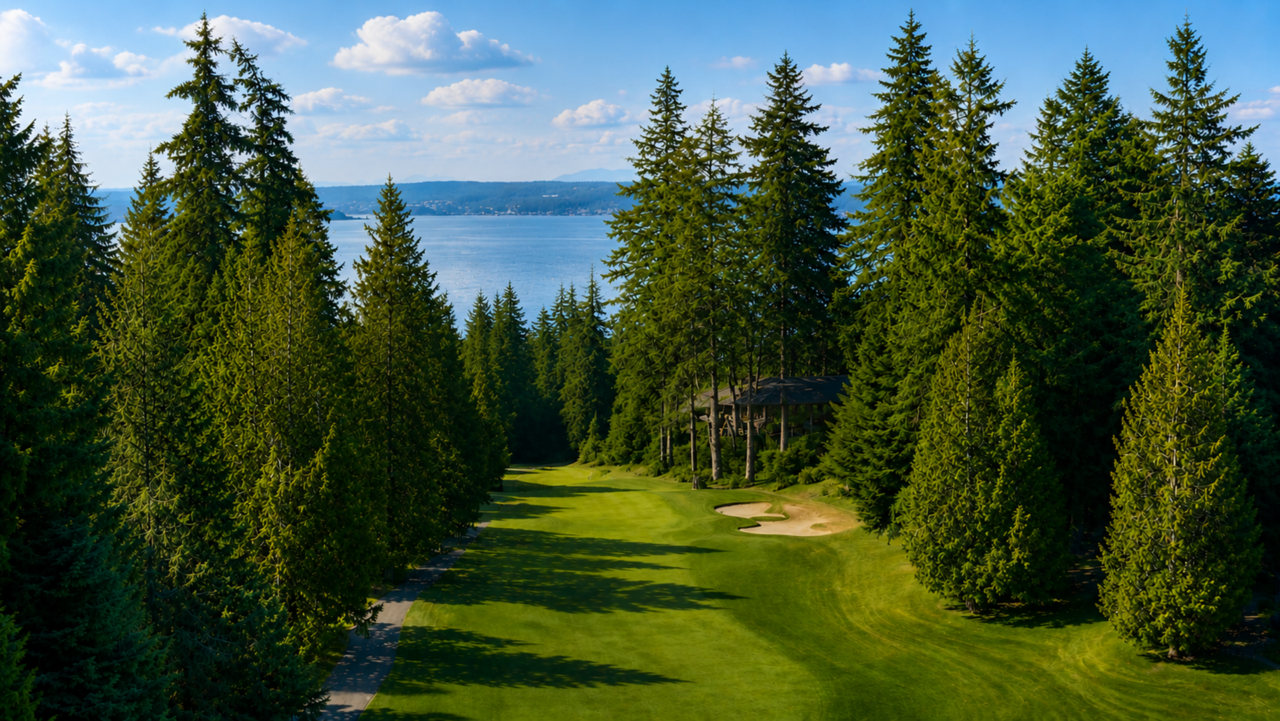
The Port Ludlow Golf Club’s 18-hole championship course was designed by Robert Muir Graves and has been recognized as one of the most scenic in the country — named “Most Scenic in the World” by Esquire Magazine. The layout embraces the natural topography: rolling fairways woven through second-growth forest, views of the Olympic Mountains, historic logging stumps incorporated as course features, and wildlife sightings throughout. It plays as a genuine challenge for skilled golfers while remaining welcoming to recreational players. Golf club membership is available to residents separately from HOA fees.
The Marina
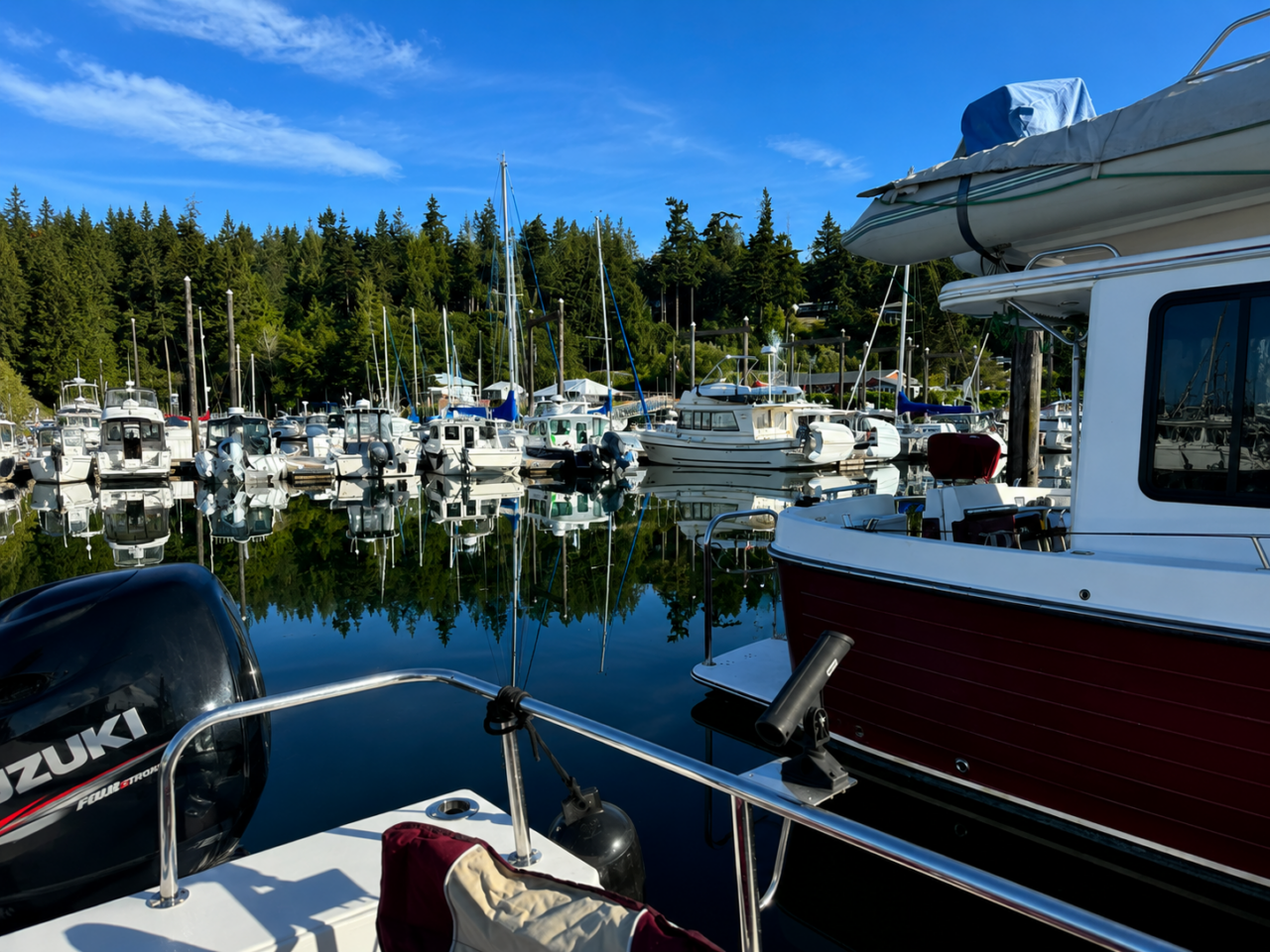
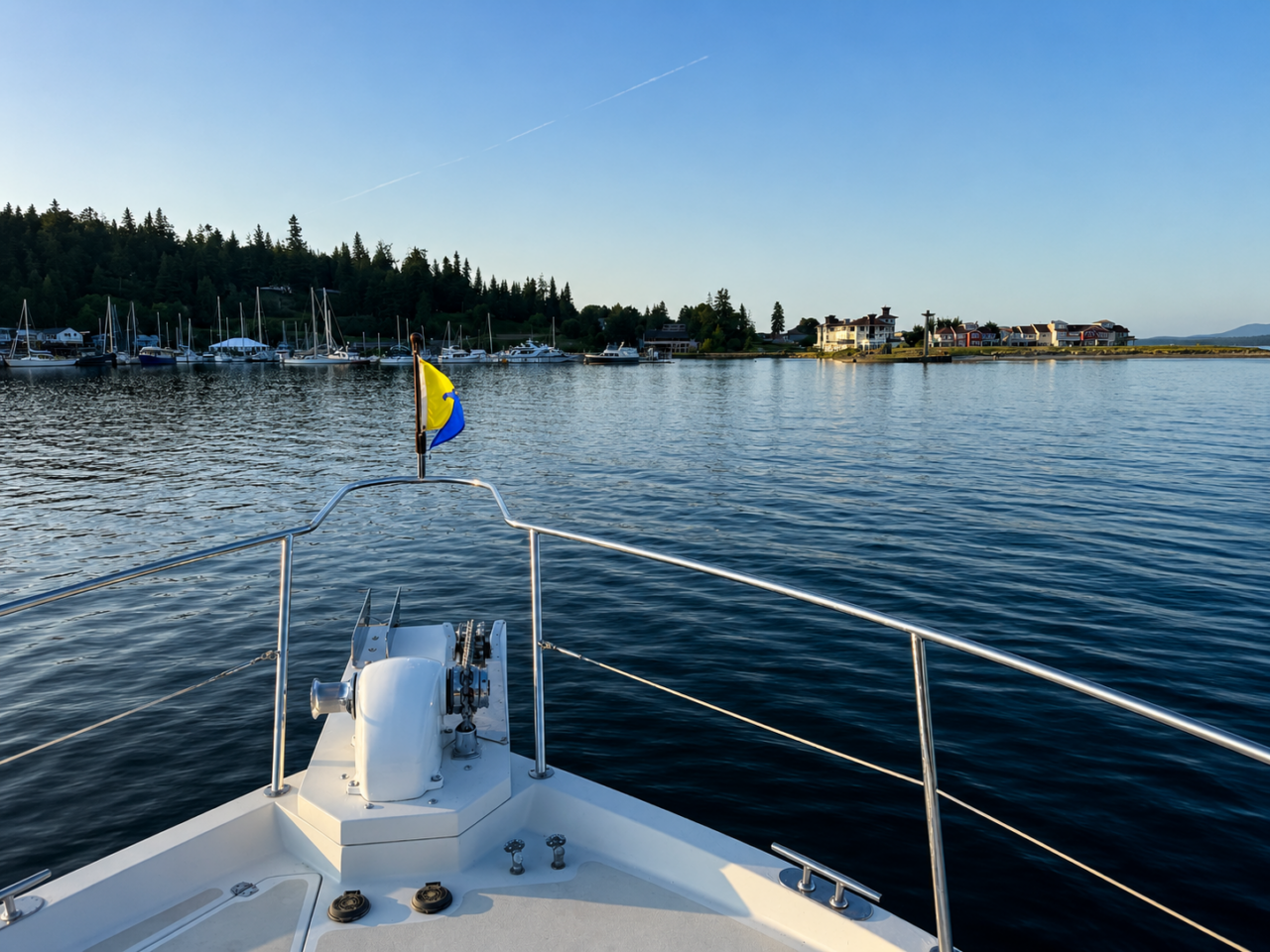
The Port Ludlow Marina is a full-service 300-slip facility capable of accommodating vessels up to 200 feet. It is the anchor of community life for boaters, offering permanent and transient moorage, an ethanol-free fuel dock, pump-out station, restrooms and showers, a marina store with groceries, gifts and beer and wine, kayak and watercraft rentals, a BBQ pavilion, and shuttle service to the golf club. It is home to the Port Ludlow Yacht Club, with 80 feet of reciprocal moorage. Live-aboards are welcome. Residents receive preferential marina rates. For buyers who arrive by water, Ludlow Bay is a natural harbor — calm, well-protected, and well-regarded among Pacific Northwest cruisers on VHF 68.
The Clubhouses
Port Ludlow has two resident clubhouses, each with distinct programming:
The Beach Club — indoor and outdoor swimming pools, sauna, exercise room, tennis courts, squash court, ping pong, a park with BBQ area, playground, and walking trails. Hosts special events, workshops, and classes throughout the year.
The Bay Club — indoor pool and jacuzzi, exercise room, events area, and meeting rooms. A hub for the community’s more than 100 resident clubs.
The Fireside Restaurant
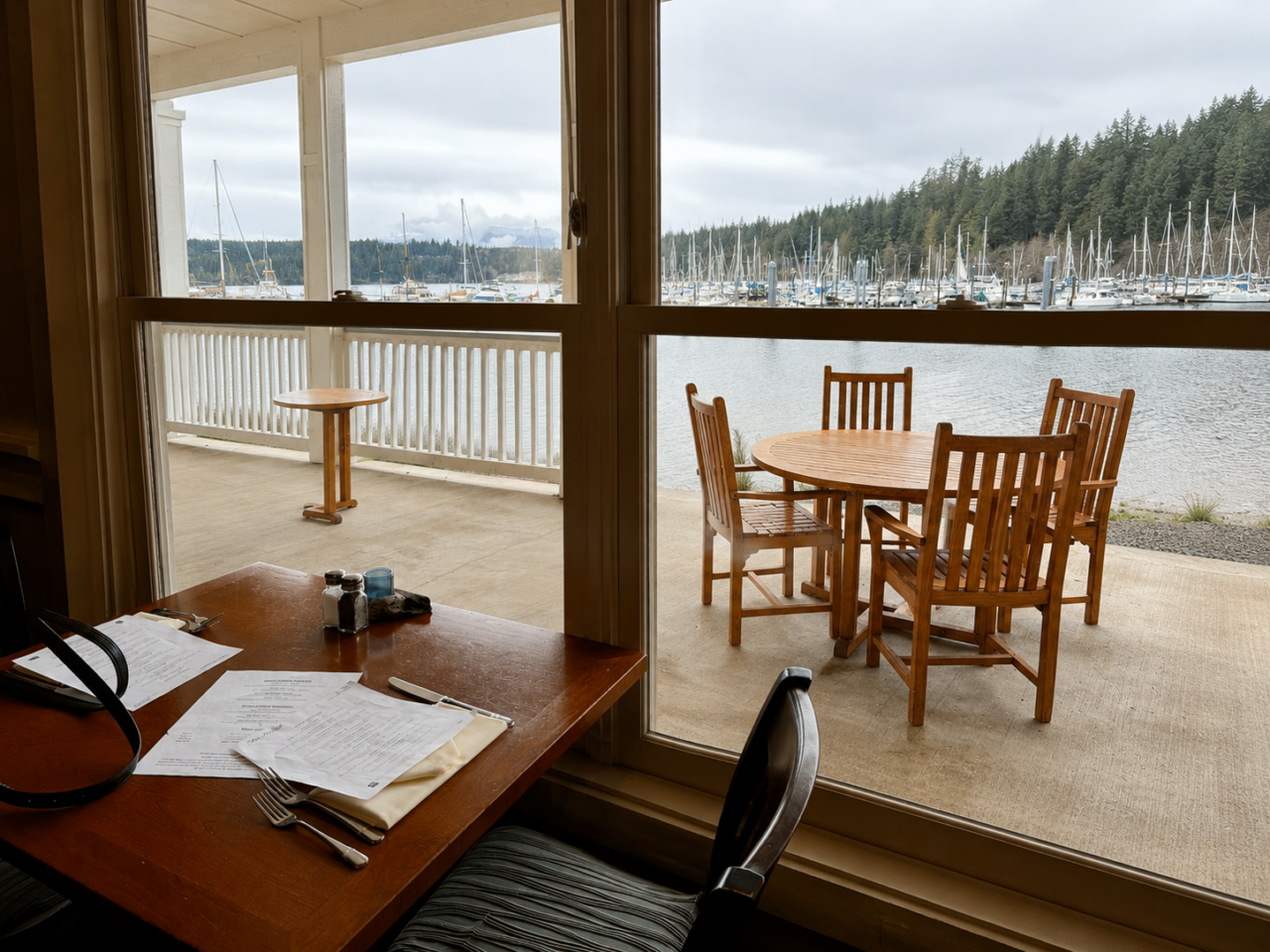
The award-winning Fireside Restaurant at the Resort is the community’s culinary anchor — a farm-to-table dining room with sweeping views over Ludlow Bay, a wine list that reflects the quality of the kitchen, and a setting that feels appropriate for a quiet anniversary dinner as much as a casual Tuesday lunch. The Resort at Port Ludlow, the boutique 37-room Inn adjacent to the restaurant, is a destination in its own right — each room features a jetted tub, fireplace, and water or mountain views — and its presence elevates the tone of the whole community.
Trails
Over 30 miles of maintained hiking and biking trails wind through the forests and shoreline of Port Ludlow, accessible directly from the residential neighborhoods. Wildlife is abundant: bald eagles, herons, deer, seals, and seasonal salmon runs are regular features of daily life here.
Neighborhoods
Port Ludlow’s residential landscape is varied, layered, and worth understanding before you begin searching. The community is organized around several distinct sub-neighborhoods, each with its own character.
Ludlow Bay Village
The heart of the master-planned community, clustered around the marina and resort facilities. Condominiums, cottage-style homes, and townhomes predominate here, many with direct bay views or walking-distance access to the marina. This is the most resort-like sub-area — convenient, social, and well-maintained. Prices typically range from $500,000 to $1.2 million depending on position and view.
North Bay
Located on the north shore of Port Ludlow Bay, with views across the water toward the Strait of Juan de Fuca. North Bay is known for its larger lots, more established homes, and direct waterfront parcels. Residents have full access to Beach Club amenities. A quieter, more residential character than Ludlow Bay Village — less foot traffic, more privacy. Waterfront lots here are rare and prized.
South Bay Estates
A refined neighborhood along the south shore, bordering the golf course and offering access to the Bay Club. South Bay properties often combine golf course adjacency with pond or bay views. A mix of custom single-family homes, including some with European architectural influences. Home sizes tend to run larger here — 2,500 to 4,000+ square feet is common.
Ludlow Beach Tracts
Properties on expansive lots — often multiple acres — with tall trees, lush greenery, and sweeping views of Port Ludlow Bay from the northern Olympics across the shipping lanes to Mount Baker. A more rugged, private setting for buyers who want acreage and separation. Beach access varies by parcel.
Shine
An unincorporated community officially part of Port Ludlow, located between Squamish Harbor and Shine Tidelands State Park just off Highway 104 near the Hood Canal Bridge. Shine is especially prized for shellfish harvesting — native littleneck clams, Manila clams, horse clams, cockles, geoducks, and oysters can be harvested directly from the shoreline of some properties. A rare and particular lifestyle proposition.
Olympic Terrace
A newer single-family neighborhood of craftsman-style homes, including the Olympic Terrace and Olympic Terrace II new-construction communities. Single-story living, open floor plans, mountain and golf course views. Particularly popular with buyers who prioritize accessibility and low-maintenance living.
Property Price Ranges
| Property Type | Price Range |
|---|---|
| Condominiums | $350,000 – $550,000 |
| Inland single-family homes | $550,000 – $900,000 |
| Golf course & pond-view homes | $700,000 – $1.4 million |
| Waterfront with partial views | $850,000 – $1.6 million |
| True waterfront / low-bank / private dock | $1.2 million – $4 million+ |
| Vacant lots & development parcels | $155,000 – $400,000+ |
Figures reflect general 2024–2025 market conditions. All real estate values should be independently verified. Contact Jane for a current comparative market analysis.
Lifestyle
Who Lives Here
Port Ludlow is a community of choice — which means it attracts a remarkably specific type of resident. The median age is 65, and the community is strongly retirement-oriented. Over 53% of adult residents hold four-year college degrees or higher; per capita income ranks Port Ludlow in the top 20 of all 522 ranked communities in Washington State. More than 26% of the workforce works from home — a figure that predates the remote work era and reflects a professional class that planned ahead.
Residents describe a “village feel” with a genuine social fabric: an active art league, community theater, over 100 resident clubs, the Yacht Club, the golf club, and a calendar of events that fills year-round. The community is close-knit in the way that resort communities often are — people chose to be here rather than ending up here, and that shared intentionality shapes the social atmosphere.
Climate
Port Ludlow benefits from the same Olympic rain shadow that makes Sequim famous, receiving roughly 29 inches of annual precipitation — 40% less than Seattle and considerably less than the wet side of the Peninsula. Average July highs reach the mid-70s°F. January lows hover in the low-to-mid 30s°F. Summers are long, clear, and genuinely warm. Winters are mild by Pacific Northwest standards.
Outdoor Recreation
The outdoor proposition here is as complete as anywhere on the Peninsula: boating and sailing on the bay and Hood Canal; kayaking and paddleboarding from the marina or private beach; fishing (salmon, halibut, lingcod); shellfish harvesting on tidal beaches; hiking and mountain biking on 30+ miles of maintained trails; championship golf; and proximity to Olympic National Park for backcountry access. The water is visible from virtually every neighborhood — the relationship between land and sea here is intimate and constant.
Getting Around
Port Ludlow is accessed via State Route 19 and State Route 104 (which crosses the Hood Canal Bridge). Seattle is approximately 90 minutes under normal conditions. The Bainbridge Island ferry from Kingston or the Edmonds-Kingston crossing offer alternative routes for commuters and travelers. Port Townsend is 13 miles north — a straight shot up the peninsula and a frequently visited neighbor for arts, dining, and weekend errands.
Schools & Healthcare
Jefferson County public schools serve Port Ludlow. The Chimacum School District encompasses elementary through high school; schools in the district receive above-average ratings. Private and online schooling options are accessible to the professional and remote-working families who make up a growing share of newer residents.
For healthcare, the Jefferson Healthcare Port Ludlow Clinic provides primary care on-site. Jefferson Healthcare’s main campus in Port Townsend (approximately 20 miles north) is the closest hospital. Harrison Medical Center is approximately 30 miles. Given the community’s age profile, telehealth adoption is high, and approximately 95% of residents carry health insurance — largely Medicare, Medicare Advantage, and private coverage.
Market Snapshot
Port Ludlow is a low-inventory market by nature — the community is geographically bounded, and relatively few properties change hands in any given year. This creates stability but also means that well-priced properties move quickly when they appear. The median property value has risen substantially since 2000 (from $232,900 to approximately $678,000 as of 2024), reflecting both the desirability of the community and broader Pacific Northwest market appreciation.
Buyer demand is consistently strongest for true waterfront properties, golf course adjacency, and single-story homes — a function of the community’s demographics. Condominiums and townhomes represent the most accessible entry point. Vacant land and custom build opportunities remain available but require careful navigation of Jefferson County permitting.
What Buyers Should Know
HOA & Resort Membership Structure Port Ludlow has a layered fee structure that buyers should understand before making an offer. There is a community-wide HOA (the Port Ludlow Associates) which covers common area maintenance, trail upkeep, and basic community services. Clubhouse access (Beach Club and Bay Club) requires a separate membership. Golf club membership and marina moorage are additional. Buyers should request a full disclosure of all applicable fees — and verify current rates directly — as part of their due diligence process.
The Expiration of the Master Plan The master-planned resort development agreement that governed Port Ludlow for decades expired in May 2025. Future development and land use decisions now follow standard Jefferson County codes. This is a meaningful shift for the community, and buyers considering undeveloped parcels or properties adjacent to open land should review current Jefferson County zoning and any pending applications with particular care.
Internet & Connectivity Port Ludlow has made significant improvements in broadband access in recent years. The community’s high rate of remote workers has driven demand, and fiber internet is available in much of the core resort area. Connectivity quality varies by sub-neighborhood and specific parcel — buyers with remote work requirements should verify service at any property before purchase.
Water Access Nuances Not all properties described as “waterfront” offer equivalent access. Low-bank direct water access with a private dock is a different asset class from high-bank water view, which is again different from community beach access. Tidelands ownership — the submerged land below the mean high tide line — is separate from upland ownership and is not always conveyed with the property. Buyers should carefully review what is included in any waterfront purchase.